WANP's 2026 Annual CME Conference
The Smart Physician: Pearls, Protocols, & Evolving WisdomMay 1-3, 2026 | Virtual
Thank you for coming!!!
As naturopathic physicians ourselves, we know exactly what our doctors want from their continuing medical education: tips and tricks based on real clinical experience, detailed treatment plans that actually work, and the latest and greatest updates in the field of medicine. With this in mind, we are thrilled for our 2026 Annual Conference, The Smart Physician: Pearls, Protocols, & Evolving Wisdom.
2026 Schedule
(subject to change)
Friday, May 1, 2026 • 8:00a - 5:05p PDT
8:00a-8:30a | Welcome & Orientation | WANP
8:30a-10:00a | Neurocognitive Condition Unmasking in Perimenopause and Menopause | Leslie Fuller, ND, & Marsha Hamilton, ND, MSCP
10:00a-10:30a | Break
10:30a-11:30a | Prescribing Dance for Brain Health | Kathryn Hightower, ND
11:30a-12:30p | GLP-1 Agonists in Autoimmunity: How these diabetes medications are improving inflammation | Jennifer Bennett, ND, EAMP
12:30p-1:30p | Lunch / SPONSORED TALK from Gilead Sciences: Say Yes to a New Era in HIV Prevention | Warren Dinges, MD, PhD
1:30p-2:30p | Herbal Approaches to Pain Management: Materia medica, clinical strategies, and procedural herbalism | Duncan Lynch, ND, RH(AHG)
2:30-3:30p | Reproductive Physiology: Nuances between fertility care and perimenopause care | Khivan Oberoi, ND, & Stefani Hayes, ND, LAc
3:30p-3:45p | Break
3:45p-5:05p | Uncovering the Hidden Risk: Adverse pregnancy and postpartum outcomes as predictors of cardiovascular disease in women | Danielle Watson, ND
--------------------------------
3:45p-5:05p | Innovations in the Evaluation and Management of Sarcopenia: An integrative framework | David Barry, ND, DC, PhD
Saturday, May 2, 2026 • 8:00a - 5:15p PDT
8:00a-9:00a | Group Medical Visits: A powerful naturopathic care delivery model | Greg Yasuda, ND
9:00a-10:00a | Clinical Pearls for Biofilm Management | Paul Anderson, ND
10:00a-10:30a | Break / SPONSORED TALK from Standard Process: SP Children's® ProSynbiotic: A Food-First, Clinically Informed Approach to Digestive and Immune Health | Daina Parent, ND
10:30a-11:35a | The Smart Longevity Physician: Protocols for mitochondrial resilience & epigenetic renewal | LuLu Shimek, ND, FMCP-M
--------------------------------
10:30a-11:35a | Modulating the Immune System with Immunotherapy | Darin Ingels, ND, FAAEM, FMAPS
11:35a-12:30p | Beyond Hormones, Weight Loss, and Heart Health: Troubleshooting loneliness and loss of community in midlife and aging | Sunita Iyer, ND, LM
--------------------------------
11:35a-12:30p | Empowering Naturopathic Physicians to Drive Health Equity and Optimal Wellness for All | Dennis Godby, ND, MA
12:30p-1:30p | Lunch / SPONSORED TALK from Kibow Biotech: Longevity Starts with the Kidneys: Reducing Toxin Burden Through the Gut–Kidney Axis | Eric Yarnell, ND, RH(AHG)
1:30p-2:30p | Uprooting Eczema from the Inside Out: A naturopathic & homeopathic approach | Sharum Sharif, ND
--------------------------------
1:30p-2:30p | Talking to Patients About Sexual Health: Brief assessment and education | Elizabeth Bird, PhD, CST
2:30p-3:30p | How Highs Hurt Your Heart: Cardiovascular effects of recreational substances | Bill Walter, ND
3:30p-3:45p | Break
3:45-5:15p | Clinical Pearls and Co-Morbidities in Mast Cell Disorders | Lela Altman, ND, LAc, FABNG
Sunday, May 3, 2026 • 8:00a - 5:00pm PDT
8:00a-9:00a | Reclaiming Metabolic Health: Ancient wisdom meets modern science | Virender Sodhi, ND, MD(Ayurveda)
--------------------------------
8:00a-9:15a | Next-Generation Approaches in Cardiovascular Care: From a reactive to a proactive approach | Brenden Cochran, ND, FAAO
9:00a-10:00a | From Concept to Clinic: Applying matrix physiology in naturopathic detoxification | Mark Iwanicki, ND, LAc
--------------------------------
9:15a-10:00a | An Integrative, Comprehensive Approach to Treating Pain | Ashok Bhandari, ND, MS
10:00a-10:30a | Break
10:30a-11:30a | Providing Care to Minors in Washington State: Laws, rules, & clinical considerations | Brendan Smith, ND
11:30a-12:30p | Peptide Therapy for Patients with Complex Chronic Illness | Nafysa Parpia, ND
12:30p-1:30p | Lunch / SPONSORED TALK by Green Home Solutions: Navigating the Mold Industry and the Emergence of Healthcare-centric Remediation | Arthur Robles, CMI, MRS
1:30p-2:00p | WANP ANNUAL MEMBER MEETING
2:00p-3:30p | Pain Management: Key concepts and assessment | Bill Walter, ND
--------------------------------
2:00p-3:30p | A Naturopathic Approach to "Difficult to Treat" Depression | Constance Ohlinger, ND
3:30-5:00p | Understanding & Treating Visceral Hypersensitivity | Megan Taylor, ND
2026 Conference Speakers
Total credit load = 29.25 Category 1 Credits (including 8.0 Pharmacology credits and 1.5 Health Equity credits)
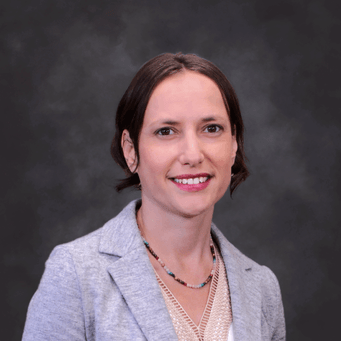
Lela Altman, ND, LAc, FABNG
Clinical Pearls and Co-Morbidities in Mast Cell Disorders
View abstract
Mast cell disorders are increasingly recognized, yet their diagnosis and management remain challenging. This lecture provides a practical, beyond-the-basics approach to evaluating and treating these complex conditions.
Key topics include differentiating mast cell activation syndrome from other mast cell disorders and understanding the limitations of laboratory testing. The role of underlying contributors such as mold exposure and long COVID will be reviewed, along with common co-morbid conditions including POTS, Ehlers-Danlos syndrome, SIBO/IFO, fibromyalgia, and histamine intolerance.
The session will also address medication tolerance, including sensitivity to drug excipients, and provide a practical overview of both pharmaceutical and natural treatment strategies. Emphasis will be placed on individualized, stepwise care to improve patient outcomes.
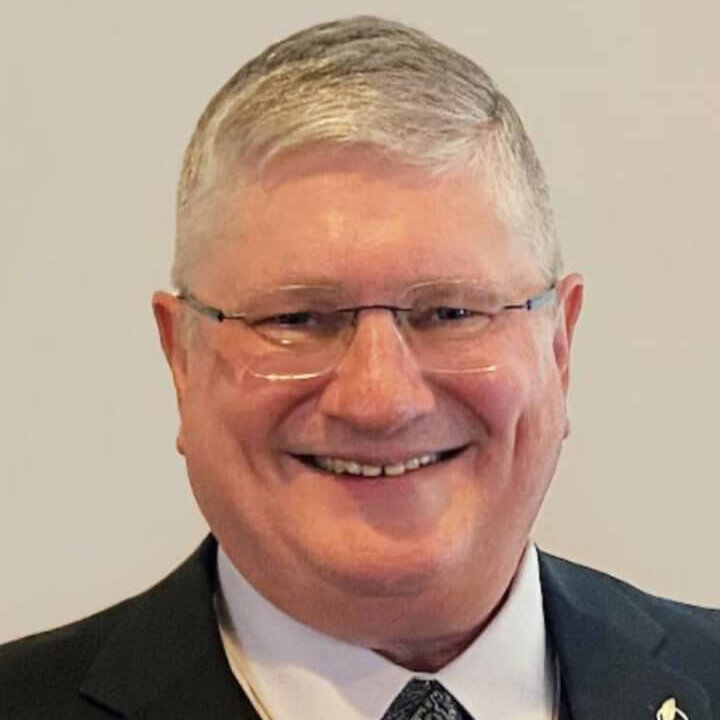
Paul Anderson, ND
Clinical Pearls for Biofilm Management
View abstract
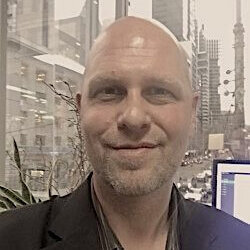
David Barry, ND, DC, PhD
Innovations in the Evaluation and Management of Sarcopenia: An integrative framework
View abstract
Sarcopenia is a progressive and generalized skeletal muscle disorder characterized by the loss of muscle mass, strength, and physical performance, which contributes significantly to frailty, falls, and functional decline in older adults. Since its formal recognition as a disease entity, its identification and management have become clinical priorities in aging and primary care. This session offers an evidence-based overview of sarcopenia’s etiology and pathophysiology, including endocrine, inflammatory, and neuromuscular contributors. Participants will learn to apply validated screening and assessment tools and explore internationally accepted diagnostic frameworks. Emerging research into the gut–muscle axis and microbiome-derived metabolites will be discussed, highlighting their relevance to muscle anabolism and chronic inflammation. Clinical strategies—including resistance exercise, nutrient optimization, and microbiome modulation—will be presented within an evidence-informed naturopathic framework, equipping clinicians with practical tools to identify individuals at risk of sarcopenia, apply validated assessment methods, and implement personalized, integrative treatment plans that support muscle health and functional independence in older adults.
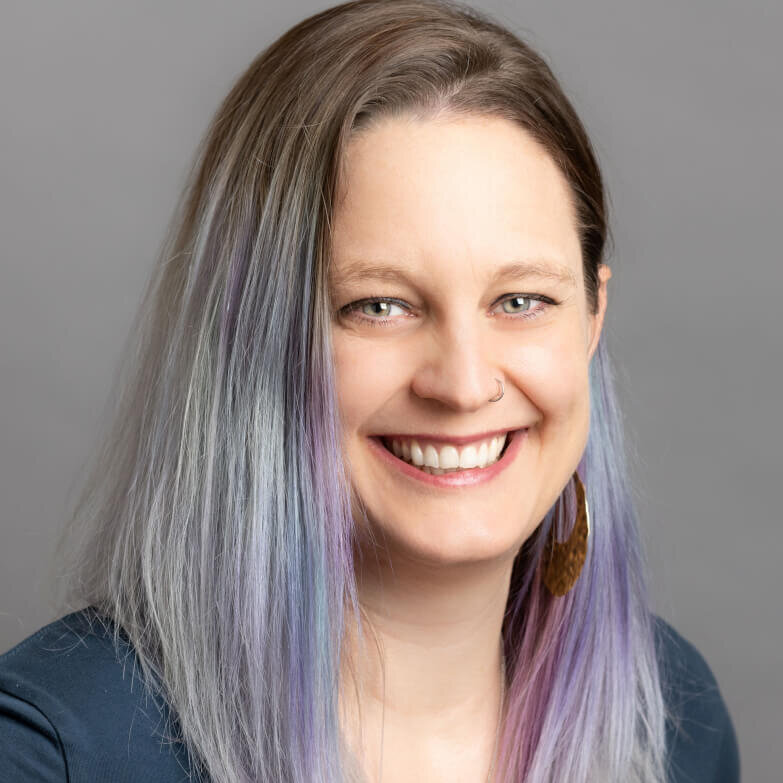
Jennifer Bennett, ND, EAMP
GLP-1 Agonists in Autoimmunity: How these diabetes medications are improving inflammation
View abstract
Glucagon-like peptide-1 receptor agonists (GLP-1 RAs), originally developed for type 2 diabetes and obesity, are increasingly recognized for their immunomodulatory and anti-inflammatory properties in autoimmune diseases, including rheumatoid arthritis, psoriatic arthritis, and systemic lupus erythematosus. Preclinical and clinical studies demonstrate that GLP-1 RAs can attenuate inflammatory cytokine expression, modulate innate and adaptive immune responses, and improve metabolic parameters, with some evidence of direct disease-modifying effects in inflammatory arthritis. Compared to traditional biologic therapies, GLP-1 RAs offer potential advantages in managing metabolic comorbidities and may serve as adjuncts or alternatives to biologics in certain populations.

Ashok Bhandari, ND, MS
An Integrative, Comprehensive Approach to Treating Pain
View abstract

Elizabeth Bird, PhD, CST
Talking to Patients About Sexual Health: Brief assessment and education
View abstract
Sexual health is a vital yet often overlooked component of overall well-being. Many patients experience sexual concerns that go unaddressed in healthcare settings. This presentation aims to increase provider comfort, knowledge, and skill in discussing sexual health within routine clinical care. Using a biopsychosocial and whole-health lens, participants will learn practical strategies for initiating conversations about sexual function and well-being, gathering relevant assessment information, and providing brief education and appropriate referrals. The talk reviews common sexual concerns, including changes related to aging, medications, and psychological or relational factors, and introduces frameworks such as the Dual Control Model and topics such as responsive versus spontaneous desire.
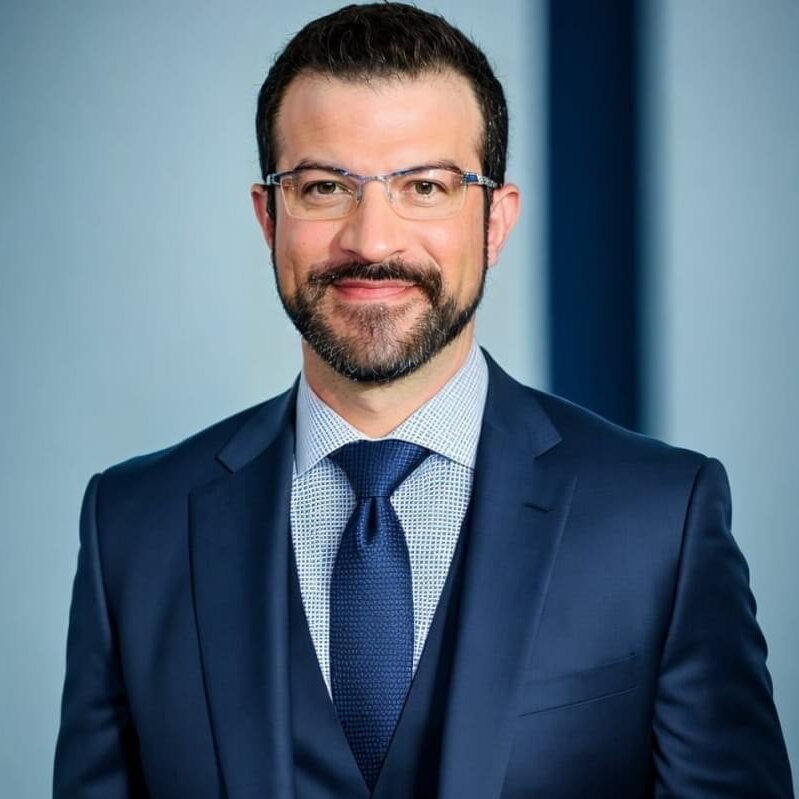
Brenden Cochran, ND, FAAO
Next-Generation Approaches in Cardiovascular Care: From a reactive to a proactive approach
View abstract

Leslie Fuller, ND, & Marsha Hamilton, ND
Neurocognitive Condition Unmasking in Perimenopause and Menopause
View abstract
Perimenopause and menopause are increasingly recognized as critical neuroendocrine transition states, not just reproductive milestones. During this period, abrupt declines and fluctuations in estrogen and other steroid hormones can disrupt brain energy metabolism, neurotransmission, and connectivity, leading to the unmasking of previously compensated or subclinical neurocognitive and psychiatric vulnerabilities. This phenomenon explains why women may experience new or worsened depressive episodes, anxiety, subjective cognitive complaints, mild cognitive impairment, or mild behavioral impairment during the menopausal transition. Beyond psychiatric and cognitive syndromes, neurologic diseases including migraine, seizures, early Parkinson’s disease, and multiple sclerosis also demonstrate shifting patterns during perimenopause and menopause, some worsening in association with hormone withdrawal. This presentation will explore the mechanisms, risk factors, and clinical relevance of unmasking, review evidence for management strategies (including the timing and role of hormone replacement therapy) and highlight opportunities for individualized, integrative, and functional approaches to supporting brain health across the menopausal transition. Participants will leave with practical tools for identifying at-risk patients, understanding the neuroendocrine mechanisms at play, and navigating complex decision-making about HRT, pharmacological, and non-pharmacological interventions.

Dennis Godby, ND, MA
Empowering Naturopathic Physicians to Drive Health Equity and Optimal Wellness for All
View abstract
Naturopathic physicians believe that lifestyle changes are crucial for optimizing health. However, many of us have come to realize that providing access to lifestyle change information is not the first step. To truly advance health equity, we must first confront and address the systemic barriers that perpetuate health disparities, including implicit and unconscious bias, “otherism,” structural racism, multigenerational poverty, substandard housing, food deserts, and limited rural health facilities.
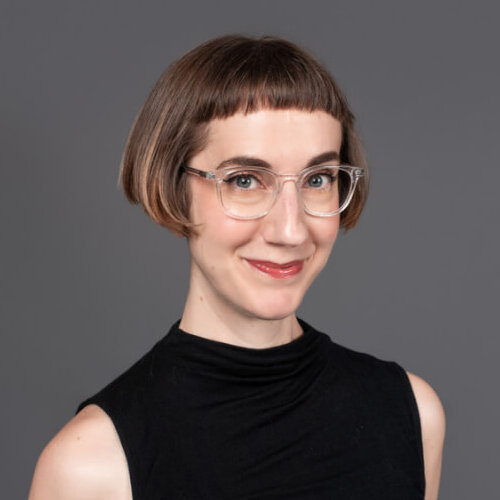
Kathryn Hightower, ND
Prescribing Dance for Brain Health
View abstract

Darin Ingels, ND, FAAEM, FMAPS
Modulating the Immune System with Immunotherapy
View abstract

Mark Iwanicki, ND, LAc
From Concept to Clinic: Applying matrix physiology in naturopathic detoxification
View abstract
Emerging research identifies the extracellular matrix (ECM) as a dynamic regulatory organ central to detoxification, inflammation, and chronic disease. Far beyond a passive scaffolding, the ECM acts as a biochemical communication and drainage network connecting every cell, tissue, and organ system. When the matrix becomes congested, acidic, or inflamed, detoxification and immune regulation falter, leading to chronic inflammation, hormonal dysregulation, and degenerative disease. This presentation integrates European Biological Medicine with modern naturopathic principles to explore how restoring ECM integrity enhances the body’s natural detoxification capacity. Participants will learn the clinical signs of matrix dysregulation, the role of lymphatic and organ drainage, and evidence-informed protocols using nutrition, botanicals, and bioregulatory remedies to reestablish cellular communication and detox flow.
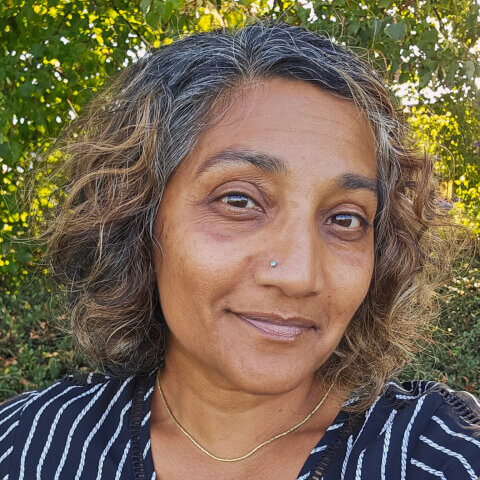
Sunita Iyer, ND, LM
Beyond Hormones, Weight Loss, and Heart Health: Troubleshooting loneliness and loss of community in midlife and aging
View abstract
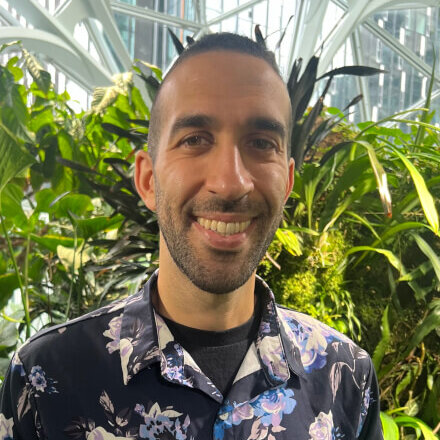
Duncan Lynch, ND, RH(AHG)
Herbal Approaches to Pain Management: Materia Medica, clinical strategies, and procedural herbalism
View abstract
Pain remains one of the most common and complex conditions in clinical practice. Herbal medicine offers a rich pharmacopeia of analgesic, antispasmodic, and nervine plants and plant formulations that can be used as primary or adjunctive therapies. This session explores a comprehensive botanical framework for pain management, spanning herbal materia medica, formulation strategies, topical applications, and the integration of herbs into manual therapies—an approach known as procedural herbalism. Attendees will deepen their understanding of pain physiology, herbal therapeutics for different pain patterns, and the safe clinical use of both common and low-dose botanicals.
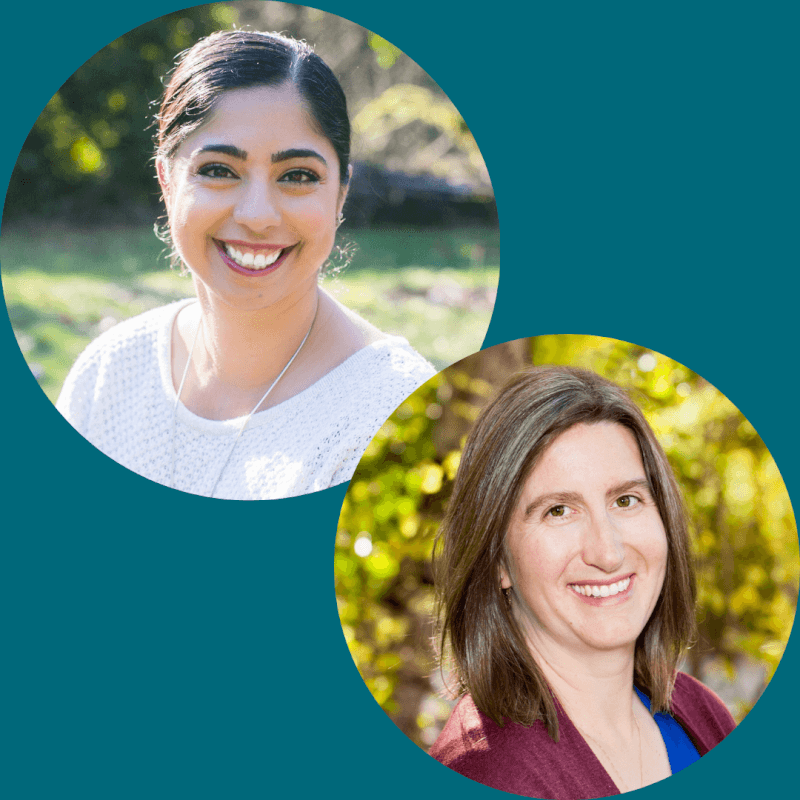
Khivan Oberoi, ND, & Stefani Hayes, ND, LAc
Reproductive Physiology: Nuances between fertility care and perimenopause care
View abstract
This presentation explores the contrasting physiology of fertility and perimenopause, helping clinicians recognize where the reproductive system’s patterns and priorities shift across the lifespan. We will begin with a review of core reproductive physiology, emphasizing the hormonal dynamics that define optimal fertility and how these differ from perimenopausal transitions. Participants will receive a concise overview of fertility evaluation essentials, including cycle tracking, key laboratory assessments, and indicators of ovulatory function. The session will also highlight red flags that warrant referral—such as signs of premature ovarian insufficiency and endometriosis—ensuring timely and appropriate co-management. Finally, we will discuss how to nuance hormonal evaluation and treatment for fertility patients, differentiating between physiologic support for conception and the management of early dysregulation that precedes perimenopause. This integrative review equips primary care and naturopathic clinicians with a clear framework for identifying, evaluating, and managing patients across the spectrum of reproductive health.
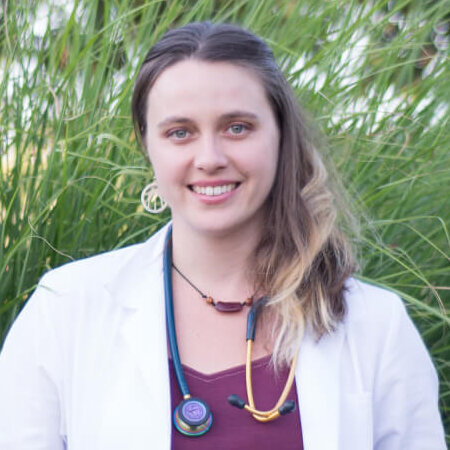
Constance Ohlinger, ND
A Naturopathic Approach to "Difficult to Treat" Depression
View abstract
Approximately 23% of U.S. adults experienced mental illness in 2024. That statistic is expected to continue to rise, making depression and its related comorbidities an increasingly common condition presenting to primary care and integrative physicians. Of adults with depression, 55% are considered “treatment-resistant”- i.e. unresponsive to standard of care therapies - implying a major gap in our ability to understand and treat depression. To date, many practitioners address depression as form of dysregulation in other organ systems. But what do we do when depression is the primary concern? This presentation will cover the diagnostic criteria for “difficult to treat depression” (formerly “treatment-resistant depression"). We’ll then cover differing mechanistic theories of depression, including the drivers of anhedonia- a major cause of distress among DTD patients. Lastly, we’ll cover both novel FDA-approved pharmacologic and naturopathic treatment options that - in combination - can greatly improve the quality of life for patients with depression, with some case examples as time permits.
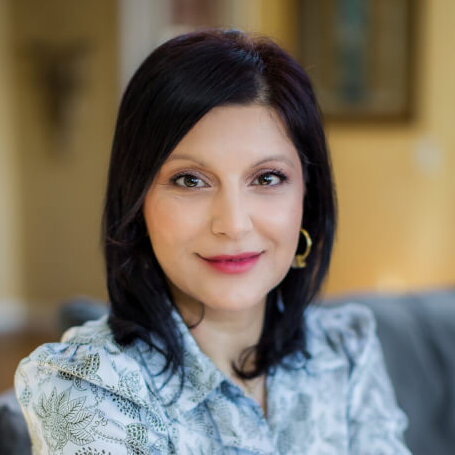
Nafysa Parpia, ND
Peptides and Bioregulators in the Treatment of Complex Chronic Illness
View abstract
Peptide therapy has rapidly expanded within longevity and biohacking spaces, yet its application to complex chronic illness requires fundamentally different clinical reasoning and practice. Dr. Nafysa Parpia has been treating patients with the following diagnoses for the past decade and a half, with a focus on using Peptide Therapies over the past eight years: Lyme and co-infections, mold/mycotoxin related illness, environmentally acquired illnesses, MCAS, and Long Covid. These patients tend to be highly sensitive with multi-systemic and multi-diagnostic illnesses taking place simultaneously. Through her extensive experience treating this patient population with Peptide Therapies and Bioregulators, Dr. Parpia has created a framework by which to modulate immune dysregulation, reduce metaflammation, prepare for detoxification, and treat chronic infections using these substances. This presentation outlines a structured sequencing model—developed through extensive clinical experience—for introducing peptides in a manner that prevents mast-cell activation syndrome, excessive immune activation, or paradoxical reactions common in this population.

Sharum Sharif, ND
Uprooting Eczema from the Inside Out: A naturopathic & homeopathic approach
View abstract

LuLu Shimek, ND, FMCP-M
The Smart Longevity Physician: Protocols for mitochondrial resilience & epigenetic renewal
View abstract
Mitochondrial decline and epigenetic dysregulation are two of the most overlooked drivers of accelerated aging, hormone imbalance, and chronic disease. As physicians, we see the downstream effects every day—fatigue, brain fog, metabolic dysfunction, infertility, and inflammation—yet standard protocols often fall short in addressing the root causes. This presentation will offer practical, evidence-based protocols for cultivating mitochondrial resilience and supporting epigenetic renewal. Drawing from the latest research in functional medicine, genomics, and longevity science, participants will learn how to integrate clinical pearls and step-by-step strategies into patient care. Case studies will illustrate how targeted nutrition, lifestyle interventions, and precision supplementation can rewire cellular health, restore hormonal harmony, and improve patient outcomes. Attendees will walk away with tools to immediately apply in practice—protocols that not only extend lifespan but also enhance healthspan, giving patients more years of energy, vitality, and resilience.
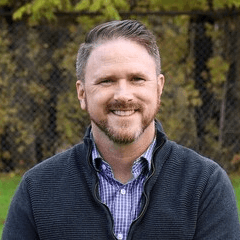
Brendan Smith, ND
Providing Care to Minors in Washington State: Laws, rules, & clinical considerations
View abstract
This presentation will provide an overview of Washington State laws relevant to providing care for minors, including access, confidentiality, and unhoused youth. The presentation will include an overview of key clinical documents, confidentiality safeguards, and other considerations when providing care to minors.
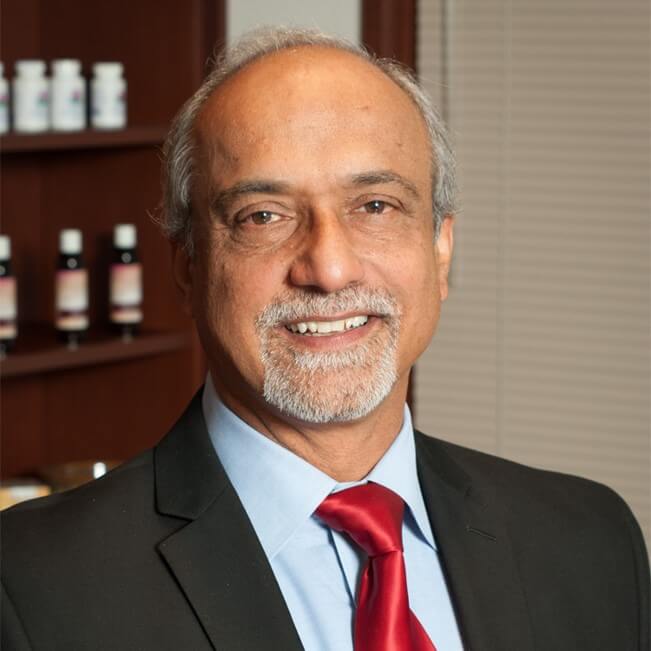
Virender Sodhi, MD (Ayurveda), ND
Reclaiming Metabolic Health: Ancient wisdom meets modern science
View abstract
This continuing education session explores the role of healthy blood sugar-balancing herbs and supportive concepts towards metabolic health, with a focus on Ayurvedic and Naturopathic clinical applications. As interest grows in natural alternatives to pharmaceutical GLP-1 therapies, naturopathic physicians are uniquely positioned to integrate evidence-informed botanical strategies into patient care. Participants will review the physiology of GLP-1 and then examine key herbs, evaluating their mechanisms of action, safety profiles, and clinical efficacy. We will particularly look into the mechanism of how our bodies can produce our own GLP-1 and how it can have neurological and cardioprotective properties. Lifestyle-based treatments will be included in the discussion. Case studies and herb-drug interaction considerations will support clinical decision-making and enhance therapeutic outcomes.
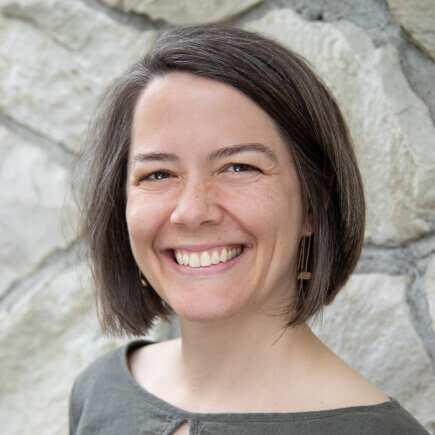
Megan Taylor, ND, FABNG
Understanding & Treating Visceral Hypersensitivity
View abstract
Visceral hypersensitivity (VH) is a commonly encountered clinical condition that very few know how to recognize and manage effectively. An estimated 1/3 - 2/3 of all patients with functional abdominal pain conditions (i.e. IBS, Functional dyspepsia, pediatric functional abdominal pain, etc.) have VH, and treating VH as its own distinct component of these conditions is essential to their effective management. This presentation will review key underlying pathophysiology behind the development of VH, how to recognized it in clinic, and how to formulate a multi-pronged treatment plan using a variety of interventions. We will cover key pharmacologic management tools, and attendees will walk away with example treatment plans to implement immediately in clinic.
Bill Walter, ND
How Highs Hurt Your Heart: Cardiovascular effects of recreational substances
View abstract
Cardiovascular disease is a well-known side effect of tobacco consumption, but what about all of the other substances we humans use recreationally? This lecture will review cardiovascular health effects from caffeine, cannabis, alcohol, entheogens, opioids, and stimulants. In the case of opioids and stimulants, we will review both prescription and illicit forms of these medications. Data reviewed will focus on human observational studies, clinical trials, population studies, and meta-analyses, as there is available data.
Pain Management: Key concepts and assessment
View abstract
Chronic Pain is a common condition, prompting patients to seek care from a range of healthcare providers. This lecture will review key principles in assessment of chronic pain (including psychological factors that must be understood), natural treatment approaches, and opioid and non-opioid pharmacological treatment. We will additionally discuss critical aspects related to the use of controlled substances.

Greg Yasuda, ND
Group Medical Visits: A powerful naturopathic care delivery model
View abstract
Chronic disease is often very treatable with diet and lifestyle change but creating that change can be a challenge. In the end, doctors can’t do it for their patients and, furthermore, we can’t blame our patients when they don’t have the support they need to succeed. Sometimes it takes a village, and it seems that fewer people than ever have a village to lean on. Group medical visits change this by creating a spontaneous community for social connection and support, while also providing adequate time for real learning to happen and leveraging a business model that makes it a viable solution for any practice. Sound good? Systematic reviews find this model cost effective, with greater doctor and patient satisfaction and delivering superior outcomes with chronic conditions like cardiovascular disease, obesity and diabetes than 1-on-1 visits. In this talk, Dr. Greg Yasuda will present his group medical visit model called Foundations 360 that he launched at the Bastyr Center for Natural Health in Seattle, WA, in winter 2025 and was expanded to the Bastyr University Clinic in San Diego, CA, in 2026. You will learn how the program is structured and why, what some of the most important takeaways have been, and you will also be provided with guidance and resources about how to build your own group program. While group visits do not replace 1-on-1 visits, they fill a critical need in the medical landscape and are an ideal vehicle for naturopathic medicine.
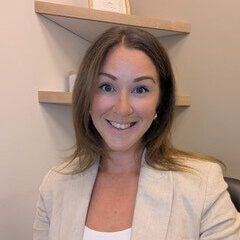
Danielle Watson, ND
Uncovering the Hidden Risk: Adverse pregnancy and postpartum outcomes as predictors of cardiovascular disease in women
View abstract
Cardiovascular disease (CVD) remains the leading cause of mortality in women, yet traditional prevention strategies often overlook reproductive history as a critical determinant of risk. Adverse pregnancy outcomes (APOs)—including preeclampsia, gestational hypertension, gestational diabetes, preterm birth, and fetal growth restriction—are now recognized as early indicators of long-term cardiometabolic disease. These events act as a “stress test,” unmasking vascular and metabolic vulnerabilities that extend beyond the postpartum period and influence cardiovascular health across the lifespan. For naturopathic doctors, reproductive milestones present key opportunities for early screening and prevention. During pregnancy, blood pressure, glucose tolerance, and placental function provide valuable insight into future cardiovascular risk. In the postpartum period, targeted follow-up on blood pressure, glycemic control, and lipid status allows for timely intervention. As women transition through perimenopause, integrating reproductive history with cardiovascular screening offers a unique window to address cumulative risk. This talk will review the evidence linking APOs to later CVD, discuss underlying mechanisms, and highlight clinical strategies naturopathic doctors can use to integrate pregnancy, postpartum, and perimenopausal screening into comprehensive cardiovascular prevention. By recognizing APOs as hidden risk factors, we can shift toward a proactive, sex-specific approach to optimizing long-term health in women.
Sponsored Presentations
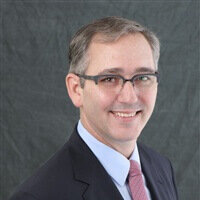
Warren Dinges, MD, PhD
Say Yes to a New Era in HIV Prevention
View abstract
As a sponsored talk from Gilead Sciences, this presentation is for informational purposes only and will not include CE credit.
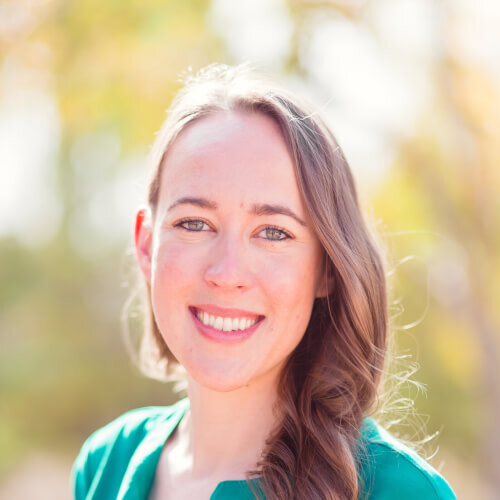
Daina Parent, ND
SP Children's SynBiotic: A food-first, clinically informed approach to digestive and immune health
View abstract
Digestive and immune concerns are increasingly prevalent in pediatric populations, often rooted in disruptions to the gut microbiome and inadequate fiber intake. In this presentation, Dr. Daina Parent explores a food-first, clinically informed approach to supporting pediatric health, highlighting how whole food–based ingredients—shaped by regenerative farming practices, nutrient density, and ongoing nutrition research—can be translated into meaningful clinical applications. Attendees will gain insight into the role of diverse fibers and microbiome support in digestive and immune function. SP Children’s® ProSynbiotic will be presented as an example of a multi-fiber synbiotic formulation informed by clinically studied ingredients, formulated to support pediatric digestive function, microbiome balance, and immune resilience.
As a sponsored talk from Standard Process, this presentation is for informational purposes only and will not include CE credit.
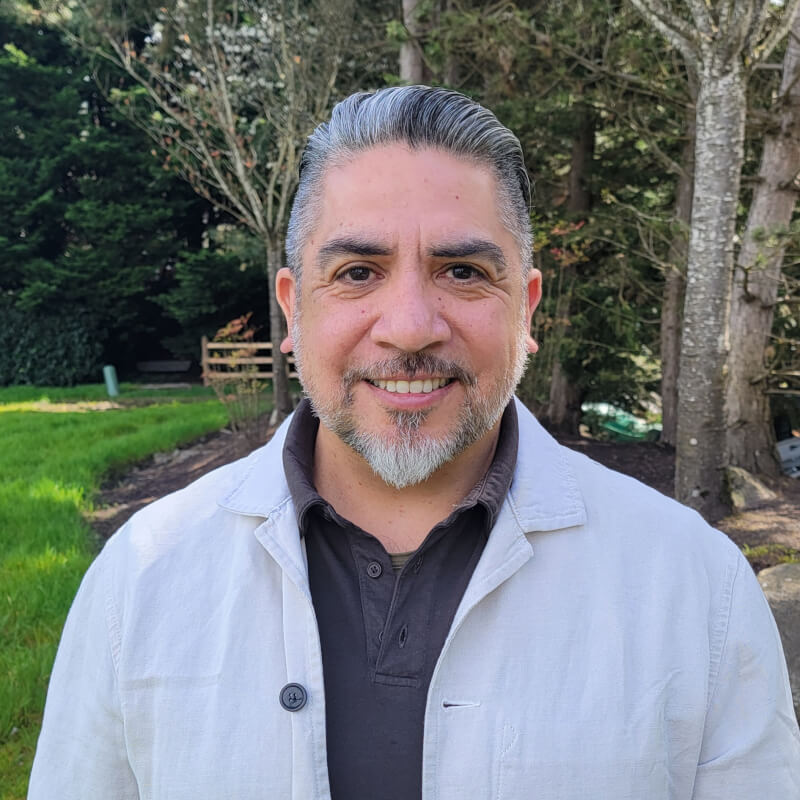
Arthur Robles, CMI, MRS
Navigating the Mold Industry and the Emergence og Healthcare-centric Remediation
View abstract
As a sponsored talk from Green Home Solutions of Greater Seattle, this presentation is for informational purposes only and will not include CE credit.

Eric Yarnell, ND, RH(AHG)
Longevity Starts with the Kidneys: Reducing toxin burden through the gut-kidney axis
View abstract
As a sponsored talk from Kibow Biotech, this presentation is for informational purposes only and will not include CE credit.
2026 Conference Exhibitors